Advertisements
The Lymphatic Drainage Shower Changed My Mornings (And Honestly, My Whole Vibe)
Here’s something that blew my mind: your lymphatic system moves about 3 liters of fluid through your body every single day, but unlike your heart, it doesn’t have a pump. It literally relies on movement, muscle contractions, and — yep — external stimulation to keep things flowing. When I first stumbled across the idea of a lymphatic drainage shower, I thought it was just another wellness trend that would fade in a week. I was so wrong!
I’ve been doing this for about eight months now, and the difference in how I feel is honestly hard to overstate. Less puffiness, more energy, and my skin has this glow that people actually comment on. So let me walk you through everything I’ve learned — including the dumb mistakes I made early on.
What Even Is a Lymphatic Drainage Shower?
A lymphatic drainage shower is basically a technique where you use water temperature changes and specific brushing or massage movements while showering to stimulate your lymphatic system. The lymphatic system is responsible for removing toxins, waste, and excess fluid from your tissues. When it gets sluggish, you might notice bloating, fatigue, or that puffy look in your face and body.
The shower version combines contrast hydrotherapy — alternating between hot and cold water — with directional massage strokes that follow your lymph flow. It’s simple, free, and takes maybe five extra minutes. That’s what got me hooked, honestly.
How I Actually Do It (Step by Step)
Alright, so here’s my routine. I start with warm water for about two minutes to open up the blood vessels and relax my muscles. Then I switch to cold water — and yeah, the first few times were absolutely miserable.
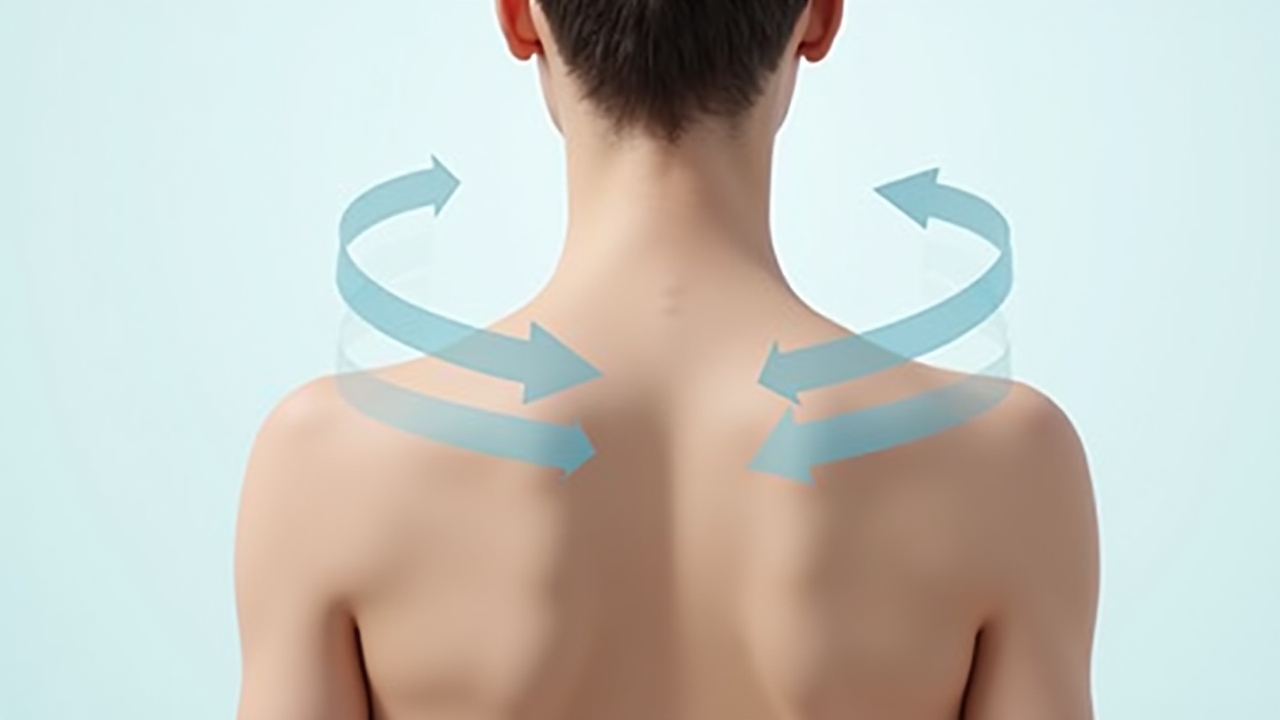
While the water’s running, I use my hands or a dry brush (before stepping in) to make long, sweeping strokes toward my heart. This is key because lymph fluid naturally flows toward the lymph nodes in your neck, armpits, and groin. You always want to brush or massage in that direction.
- Start at your feet and sweep upward toward your thighs
- Move from your hands up toward your armpits
- On your stomach, use gentle circular motions clockwise
- For your neck and face, stroke downward toward your collarbone
- Alternate between 30 seconds of cold and 1 minute of warm water, repeating 3-4 times
- Always end on cold water
I messed this up for weeks, by the way. I was brushing away from my heart like some kind of rebel, and then wondered why nothing was happening. Direction matters, people!
The Benefits I’ve Actually Noticed
Look, I’m not gonna promise you miracles. But after sticking with this consistently, the reduced water retention was the first thing I noticed — especially in my face and ankles. My morning puffiness basically disappeared within a couple weeks.
Advertisements
The contrast between hot and cold water also seriously boosted my circulation, which means my immune system got a little upgrade too. I used to catch every cold my students brought to class. This past winter? Only one mild sniffle. Could be coincidence, but I’ll take it.
There’s also the energy boost. Something about ending on cold water just snaps you awake in a way coffee never could. It’s been studied too — research published in PLOS ONE found that routine cold showers reduced sick days by 29%.
Mistakes to Avoid (I Made Them So You Don’t Have To)
First off, don’t go full ice-cold on day one. I literally gasped so hard I scared my cat in the other room. Ease into it with lukewarm-to-cool transitions and gradually decrease the temperature over a week or two.
Also, don’t press too hard when massaging. The lymphatic vessels are super close to the skin’s surface, so gentle pressure works way better than deep tissue force. And if you have any heart conditions, blood pressure issues, or are pregnant, definitely talk to your doctor before trying contrast showers.
Your Shower, Your Rules
The beauty of a lymphatic drainage shower is that it’s completely customizable. You can adjust the temperatures, the duration, and the intensity to fit what feels right for your body. Start slow, be consistent, and pay attention to how you respond.
Just remember — if something feels off or painful, back off and consult a professional. Wellness should feel good, not like punishment. If you want more practical tips like this for supporting your body naturally, come hang out with us on the Elemental Current blog — we’re always digging into this kind of stuff!