Advertisements
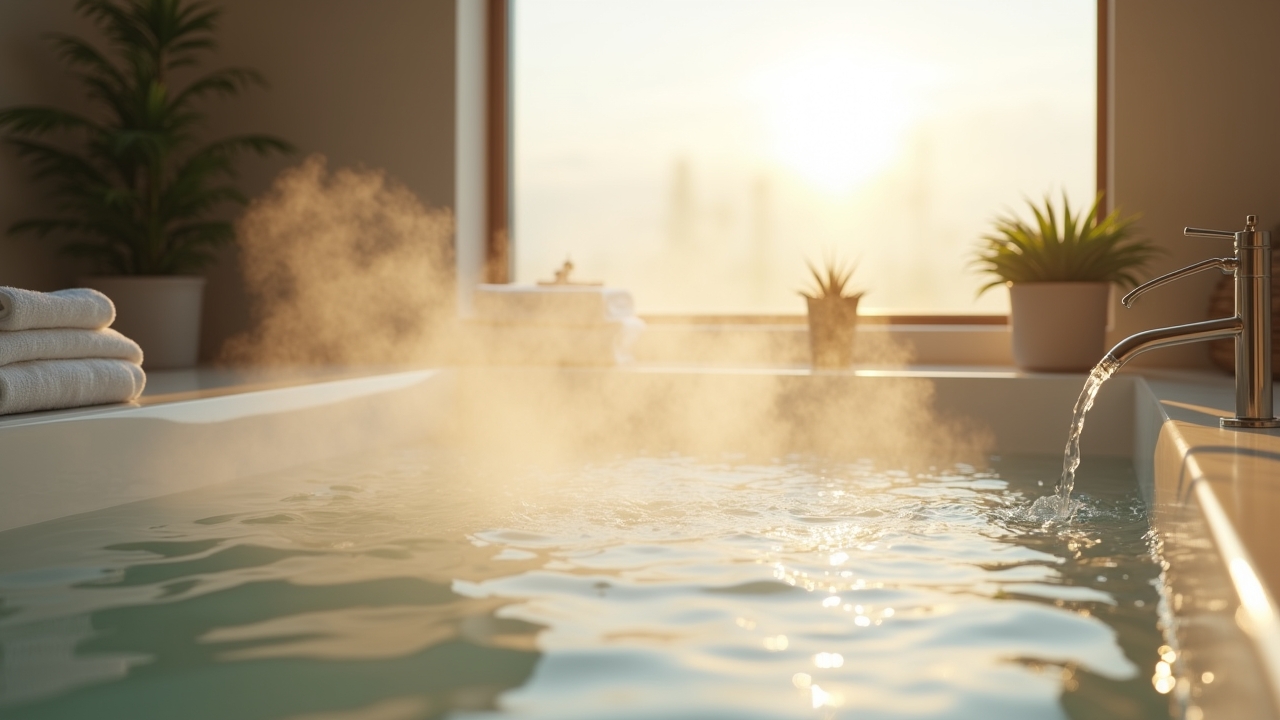
The Japanese Bathing Ritual: What I Wish Someone Had Told Me Before My First Onsen
Here’s a wild stat for you — the average Japanese person takes a bath almost every single day, and I’m not talking about a quick rinse-off-and-go situation. I’m talking about a full-on, deeply intentional Japanese bathing ritual that’s been practiced for centuries. When I first stumbled into a traditional bathhouse in Kyoto back in 2019, I had absolutely no clue what I was doing, and honestly? It showed.
Understanding this ancient practice isn’t just cool trivia. It’s a genuine gateway to better relaxation, mindfulness, and even skin health that most of us in the West completely overlook!
What Exactly Is the Japanese Bathing Ritual?
So let me break this down real quick. The Japanese bathing ritual — known as nyuyoku — is way more than just getting clean. It’s a cultural tradition rooted in purification, relaxation, and community that dates back over a thousand years.
The core idea is simple but kinda revolutionary if you grew up taking five-minute showers like me. You wash your body completely before you ever step into the bath. The soaking part? That’s purely for relaxation and spiritual cleansing. Think of it like the bath is sacred space, and you don’t bring your dirt into sacred space.
This tradition connects deeply to Shinto purification practices, where water has always been considered a powerful cleanser of both body and spirit.
My Embarrassing First Time at an Onsen
Okay, storytime. I walked into my first onsen — a Japanese hot spring bath — wearing my swimming trunks. Yeah. The looks I got were something else entirely.
Turns out, traditional onsen etiquette requires you to be completely nude. No swimsuits, no towels in the water, nothing. I was gently corrected by an older gentleman who spoke maybe three words of English but communicated volumes with his eyebrows alone.
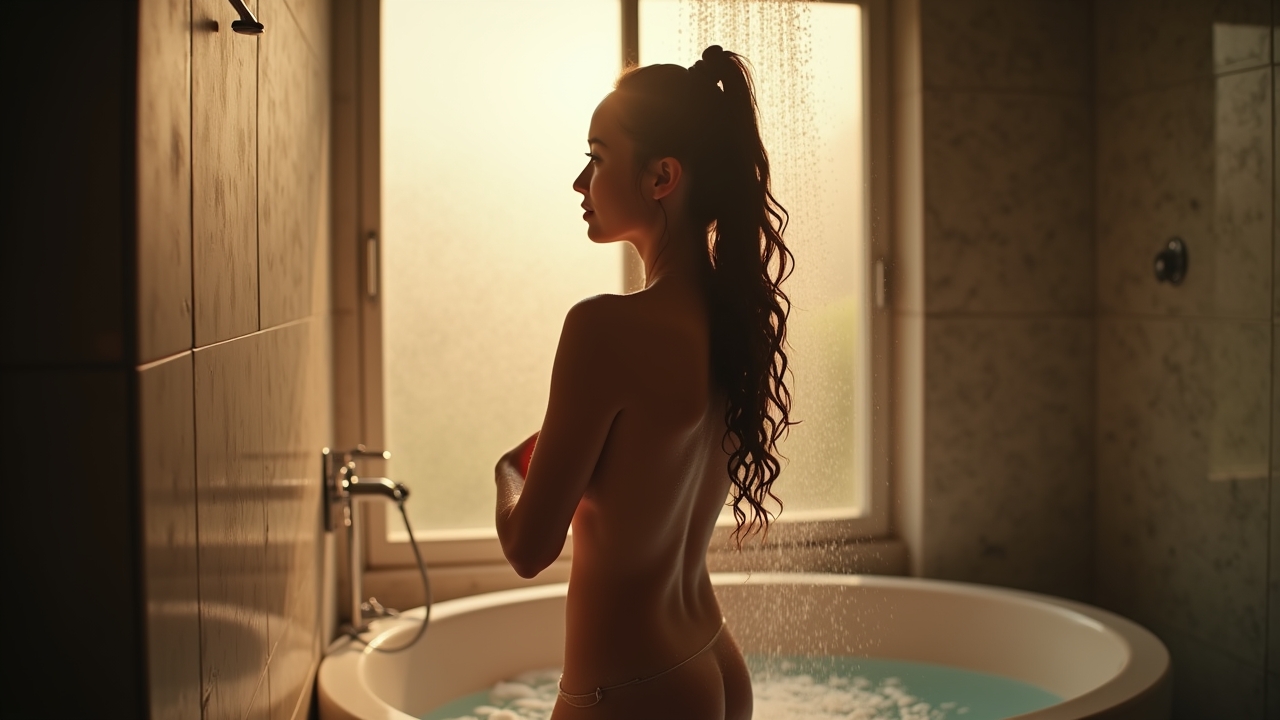
After the initial mortification wore off, I learned the proper steps. You sit on a small stool at a washing station, scrub yourself thoroughly with soap, rinse off every last bubble, and only then do you slowly lower yourself into the communal hot spring water. That first proper soak was genuinely life-changing — I’m not even being dramatic.
Advertisements
The Step-by-Step Process You Should Know
Whether you’re visiting Japan or recreating a Japanese soaking ritual at home, here’s the basic flow:
- Pre-rinse: Shower or rinse your entire body before approaching the tub.
- Wash thoroughly: Use soap, a washcloth, or a traditional tenugui towel to scrub every inch. This is the actual cleaning part.
- Rinse completely: No soap residue should remain on your skin. None.
- Enter the bath slowly: The water in a traditional ofuro (Japanese soaking tub) is usually between 100–104°F. Ease in gradually so your body adjusts.
- Soak mindfully: Stay for 15–20 minutes. Focus on your breathing. This is meditation, not a race.
- Don’t drain the water: In Japanese households, the same bath water is often shared by family members since everyone washes before entering.
That last point tripped me up at first, but it makes total sense once you understand the philosophy behind it.
Why This Practice Is Worth Adopting at Home
Look, I’m not saying you need to install a hinoki wood bathtub in your bathroom — though that Japanese cypress soaking tub smell is absolutely incredible. But adopting even parts of this ritual can seriously upgrade your evening routine.
Since I started doing a proper wash-then-soak routine, my sleep has gotten noticeably better. There’s actual science backing this up too — researchers have found that a warm bath 1-2 hours before bed can improve sleep quality significantly. The Japanese have basically known this forever.
Adding things like yuzu citrus fruits to your bath during winter (a tradition called yuzuyu) or using mineral-rich bath salts can turn a regular Tuesday night into something genuinely restorative.
Your Bathtub Is Waiting
The Japanese bathing ritual taught me that slowing down isn’t lazy — it’s intentional. You don’t need to book a flight to Tokyo to experience it, though I highly recommend that too someday. Just start small: wash first, soak second, breathe deeply.
One thing worth mentioning — if you have heart conditions or blood pressure concerns, always check with your doctor before doing prolonged hot soaks. Safety first, always.
If you enjoyed learning about this, there’s plenty more where this came from. Head over to Elemental Current and explore other posts about mindful living, wellness traditions, and ways to bring a little more calm into your everyday life. Your future relaxed self will thank you!