Advertisements
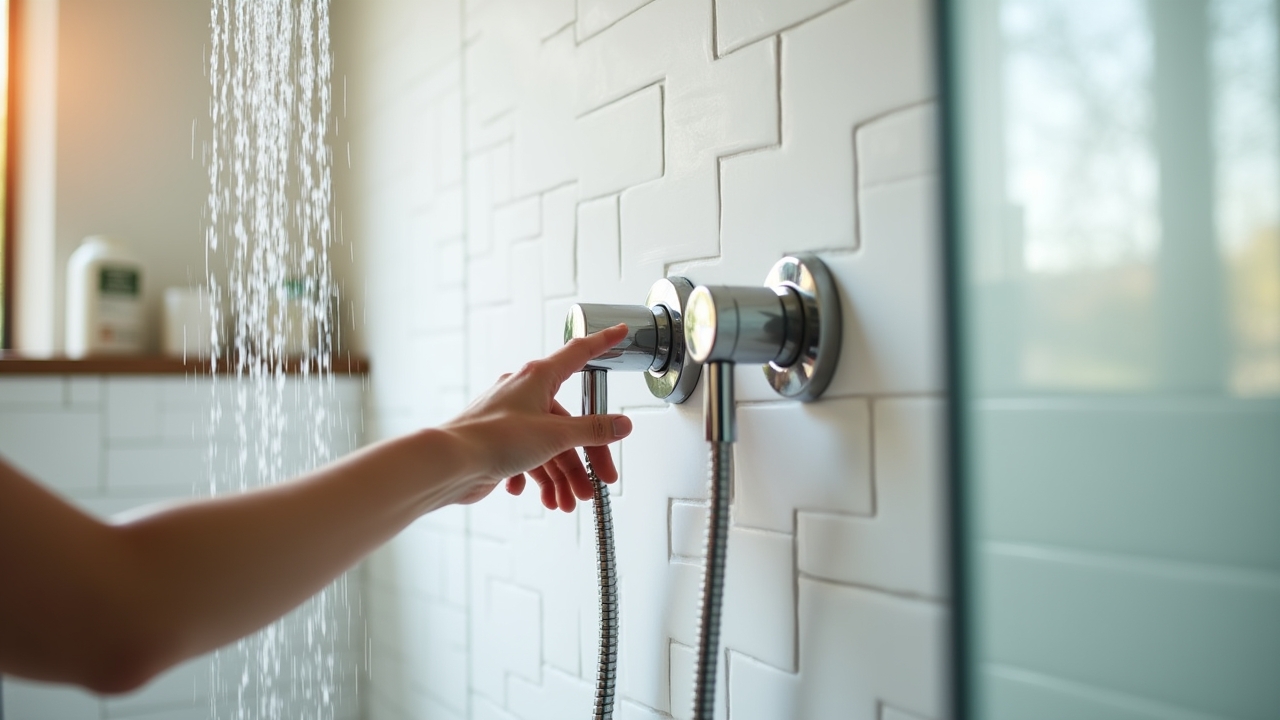
The Ultimate Shower Temperature Guide: What I Learned After Years of Getting It Wrong
Here’s a wild stat for you — the average person spends about 8 minutes in the shower, and most of us have literally no clue what temperature we’re actually standing under. I was one of those people for years! I’d crank the handle to some random spot, hop in, and just hope for the best.
But honestly, shower temperature matters way more than most folks realize. It affects your skin health, your circulation, your sleep quality, and even your mood. So let me walk you through everything I’ve figured out — sometimes the hard way.
What’s the Ideal Shower Temperature?
Okay, so the sweet spot for most people is between 98°F and 104°F (37°C to 40°C). That’s what dermatologists generally recommend, and it feels warm without being scalding. I used to think hotter was always better, but my dry, flaky skin in winter told a very different story.
Anything above 110°F starts getting into dangerous territory, especially for kids and older adults. The Consumer Product Safety Commission actually recommends setting your water heater to no higher than 120°F to prevent burns. Trust me, I learned this one the hard way when my toddler touched the stream before I tested it — scared the heck out of me, even though she was fine.
Hot Showers: The Good and the Bad
Look, I love a hot shower as much as anyone. There’s nothing quite like standing under steaming water after a long day of teaching 8th graders about sentence structure. It genuinely helps with muscle tension and can ease sinus congestion too.
But here’s the thing — really hot water strips the natural oils from your skin. My dermatologist basically told me I was giving myself eczema by showering in water that was too warm. She wasn’t wrong, either.
- Hot showers (100°F–104°F) can relax muscles and relieve stiffness
- They help open pores and clear nasal passages
- However, prolonged hot water exposure damages your skin barrier
- They can also worsen conditions like rosacea and dry skin
Cold Showers: Not as Crazy as They Sound
I’ll be real — I thought cold shower benefits were just bro-science for the longest time. Then I actually tried ending my showers with 30 seconds of cold water, and wow. The energy boost was legit.
Research from the National Library of Medicine shows that cold water exposure can improve circulation and may even support your immune system. Cold showers, typically around 60°F to 70°F, are also been shown to reduce muscle soreness after exercise. My buddy who runs marathons swears by them for recovery.
Advertisements
That said, don’t just blast yourself with ice-cold water out of nowhere. Ease into it gradually. I made that mistake once in January and I think my neighbors heard me scream.
Finding Your Perfect Water Temperature
So how do you actually dial in the right temp? Here’s what works for me after a lot of trial and error.
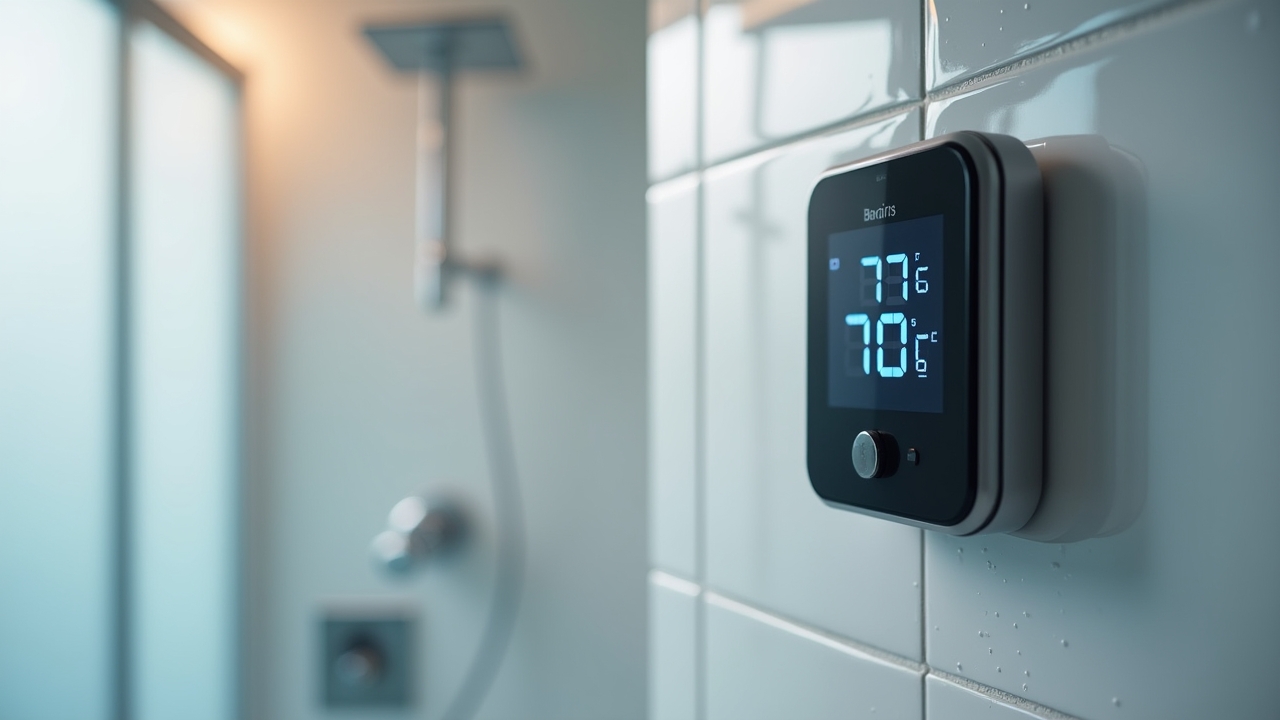
- Get a simple shower thermometer — they’re like ten bucks and stick right to the wall
- Start lukewarm and adjust from there rather than starting hot
- For morning showers, try slightly cooler water to wake yourself up
- For evening showers, warmer water helps signal your body its time to sleep
- If you have sensitive skin, stay closer to 98°F and keep showers under 10 minutes
One thing that really helped me was being intentional about it instead of just going on autopilot. Sounds silly, but paying attention to the water temperature changed my skin and my sleep for the better.
Temperature Tips for Different Situations
Not every shower should be the same temperature, and this was kind of a revelation for me. After a workout, slightly cooler water helps with inflammation. When you’re sick with a cold, warm steam does wonders for congestion. And if you’re dealing with sunburn — please, keep it cool and gentle.
For washing your hair specifically, lukewarm water is your best friend. Hot water can dry out your scalp something fierce, and cold water actually helps seal the hair cuticle for a bit of shine.
Your Shower, Your Rules
At the end of the day, the best shower temperature is one that works for your body and your health goals. Use the ranges I mentioned as a starting point, but listen to your skin and how you feel afterward. And please, if you’ve got little ones at home, always check that water temp first.
Want more practical tips like this? Head over to the Elemental Current blog where we break down everyday topics that actually make a difference in your daily routine. You might be surprised what else you’ve been getting wrong — I know I was!